Common Childhood Illnesses: Symptoms, Prevention and When to Seek Medical Care
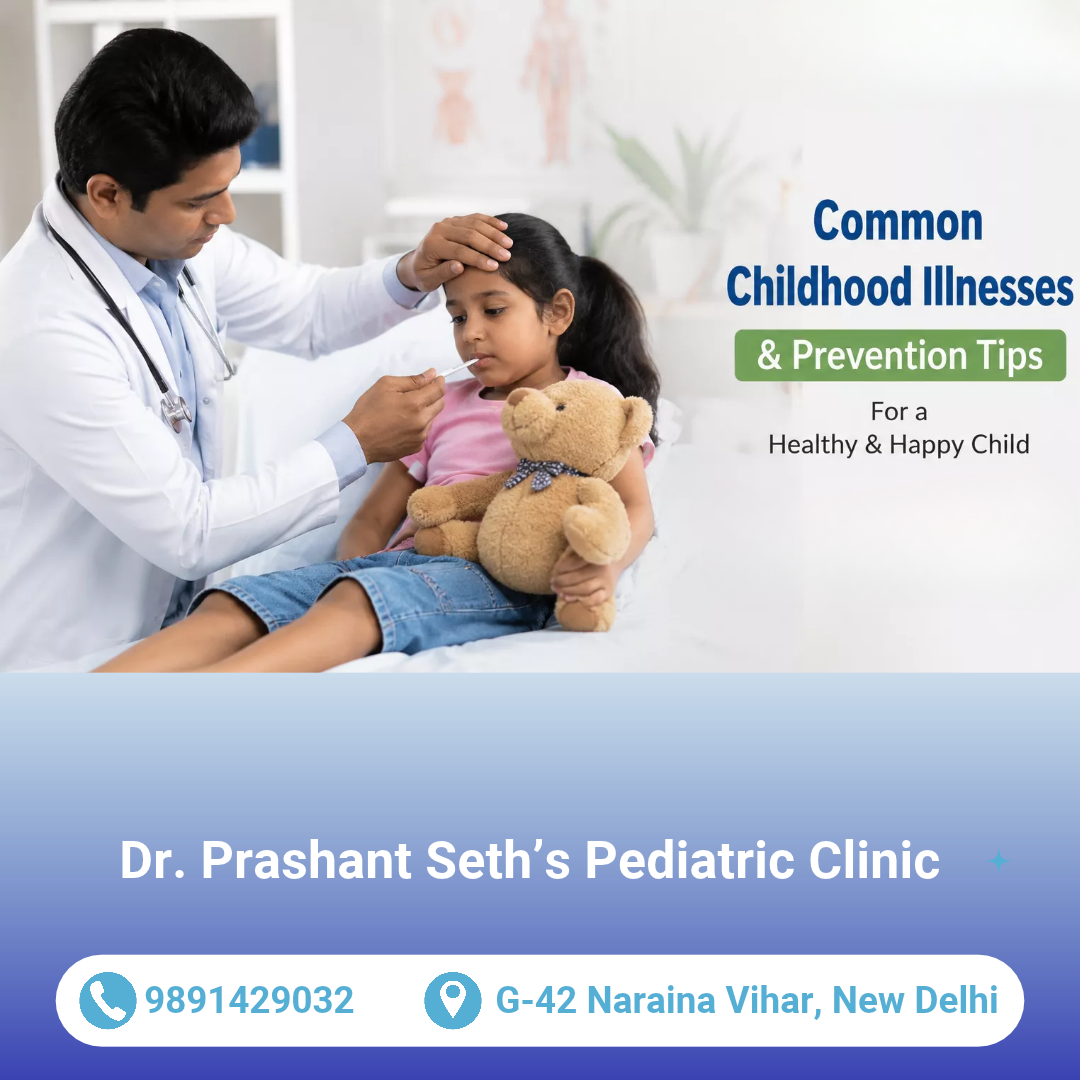
Children are naturally exposed to different germs as they grow, especially when they start school, daycare, or spend time around other children. Colds, coughs, fever, stomach infections, and minor skin problems are some of the common health concerns parents may encounter. Most childhood illnesses are temporary, but knowing what symptoms to watch for can help parents respond appropriately.
Understanding basic prevention measures and knowing when professional medical advice is needed can make childhood illnesses easier to manage. A Child Specialist in New Delhi can assess a child's symptoms, growth, development, and overall health when concerns persist or require medical attention.
Why Do Children Get Ill Frequently?
A child's immune system continues to develop during the early years. Children also frequently touch their faces, share toys, and interact closely with other children, making exposure to infections more likely.
Common reasons for childhood illnesses include:
Exposure to viruses and bacteria
Close contact with other children
Poor hand hygiene
Seasonal changes
Exposure to contaminated food or water
Incomplete or missed vaccinations
Existing health conditions
Frequent minor infections do not necessarily indicate poor health. However, unusually severe, persistent, or recurring symptoms should be discussed with a qualified healthcare professional.
Common Cold and Respiratory Infections
Colds are among the most common illnesses in children. Symptoms may include a runny or blocked nose, sneezing, cough, mild fever, sore throat, and tiredness.
Most uncomplicated colds improve with rest, adequate fluids, and supportive care. Parents should avoid giving children medicines without appropriate medical advice, particularly in very young children.
Good hand hygiene, covering coughs and sneezes, avoiding close contact with people who are unwell, and keeping commonly touched surfaces clean can help reduce the spread of respiratory infections.
Fever in Children
Fever is usually a sign that the body is responding to an infection or another health problem. The child's age, temperature, overall appearance, and accompanying symptoms are important when assessing fever.
Parents should pay attention to how the child is behaving and drinking fluids rather than focusing only on the temperature reading.
Medical advice is particularly important when fever occurs in a very young infant, continues for an unusual duration, repeatedly returns, or is accompanied by symptoms such as difficulty breathing, unusual sleepiness, persistent vomiting, dehydration, severe pain, seizures, or a concerning rash.
Stomach Infections and Diarrhoea
Children can develop diarrhoea or vomiting due to infections, contaminated food or water, or other causes. The main concern during these illnesses is dehydration.
Signs that may suggest dehydration include:
Reduced urination
Dry mouth
Lack of tears while crying
Unusual weakness or sleepiness
Excessive thirst
Sunken eyes in some children
Fluids are important during diarrhoea and vomiting. Oral rehydration solutions may be recommended depending on the child's condition. Parents should seek medical advice if the child cannot keep fluids down, has blood in the stool, becomes unusually sleepy, or shows signs of dehydration.
Childhood Cough and Breathing Problems
A cough can occur with common viral infections, allergies, asthma, or other respiratory conditions. A mild cough associated with a cold may settle as the infection improves.
However, breathing difficulty requires greater attention. Fast breathing, wheezing, chest retractions, bluish lips, difficulty speaking or feeding because of breathlessness, or unusual drowsiness can require urgent medical assessment.
Parents should not assume that every recurring cough is simply a cold. If coughs repeatedly occur at night, during exercise, or with exposure to particular triggers, discussing the pattern with a pediatrician can help identify possible causes.
Ear Infections
Ear infections can occur in children, particularly following respiratory infections. Younger children may show symptoms by becoming unusually irritable, crying more than usual, having difficulty sleeping, or repeatedly touching or pulling their ears.
Older children may be able to describe ear pain or a feeling of pressure.
Persistent ear pain, discharge from the ear, hearing difficulties, or fever should be evaluated by a healthcare professional. Treatment depends on the underlying cause, and antibiotics are not appropriate for every ear infection.
Skin Problems in Children
Children may experience rashes, insect bites, eczema, fungal infections, or other skin conditions. Some rashes are harmless and temporary, while others may require medical assessment.
Parents should pay attention to whether a rash is spreading quickly, associated with fever, painful, swollen, blistering, or accompanied by breathing difficulty or swelling of the lips or face.
Avoid applying strong creams or medicines without professional advice, especially on infants and young children.
Importance of Vaccination
Vaccination is an important part of preventive healthcare during childhood. Vaccines help protect children from several serious infectious diseases and also contribute to reducing their spread within communities.
Parents should maintain an age-appropriate vaccination record and discuss any missed doses with their child's healthcare provider. The recommended schedule can vary according to national guidelines and individual medical circumstances.
Vaccination is only one part of preventive care. Healthy nutrition, adequate sleep, hygiene, physical activity, and regular health assessments also contribute to a child's well-being.
Everyday Habits That Help Prevent Illness
Parents can encourage simple habits from an early age to support healthy routines.
Encourage Handwashing
Children should wash their hands before eating, after using the toilet, after outdoor play, and after coughing or sneezing. Younger children may need supervision to develop proper handwashing habits.
Maintain Balanced Nutrition
A varied diet containing age-appropriate fruits, vegetables, grains, proteins, and other nutritious foods supports normal growth and development. Infants and young children have different nutritional requirements, so parents should follow appropriate feeding guidance.
Prioritise Sleep
Adequate sleep is important for children's growth, learning, mood, and general health. Consistent bedtime routines can help children develop healthy sleep habits.
Keep Children Hydrated
Children should have regular access to suitable fluids. During hot weather, physical activity, fever, vomiting, or diarrhoea, fluid requirements may change.
Avoid Unnecessary Antibiotics
Antibiotics treat certain bacterial infections but do not treat viral illnesses such as most common colds. Using antibiotics without medical advice can contribute to antibiotic resistance and may expose children to unnecessary side effects.
When Should Parents Consult a Child Specialist?
Not every cough, fever, or runny nose requires a clinic visit. However, professional evaluation is appropriate when symptoms are severe, persistent, worsening, or affecting the child's normal activities.
Parents should seek prompt medical attention when a child has:
Difficulty breathing
Severe or persistent vomiting
Signs of dehydration
Seizures
Unusual difficulty waking or extreme drowsiness
Severe or worsening pain
A concerning rash with fever
Persistent high fever
Significant changes in behaviour or responsiveness
Very young infants with fever should receive prompt medical advice because infections can become serious more quickly at this age.
Regular Pediatric Care Matters
Pediatric care is not limited to treating illness. Regular health visits can help monitor a child's growth, nutrition, development, vaccinations, and other age-related health needs.
A Kids Doctor in New Delhi can also guide parents about feeding, sleep, hygiene, immunity, school health, developmental milestones, and preventive care. Keeping track of changes in a child's physical or behavioural development can help identify concerns early.
Helping Children Stay Healthy
Childhood illnesses are a normal part of growing up, but informed care can make a meaningful difference. Parents can support their child's health by maintaining good hygiene, following vaccination recommendations, providing balanced nutrition, encouraging sufficient sleep, and observing changes in symptoms.
Dr. Prashant Seth’s Pediatric Clinic provides pediatric healthcare for children and guidance for parents regarding common illnesses, preventive care, growth, and general well-being. When a child's symptoms are unusual, persistent, or concerning, professional evaluation can help determine the appropriate next steps and provide reassurance based on the child's individual needs.