Childhood Vaccination: Why Staying on Schedule Matters
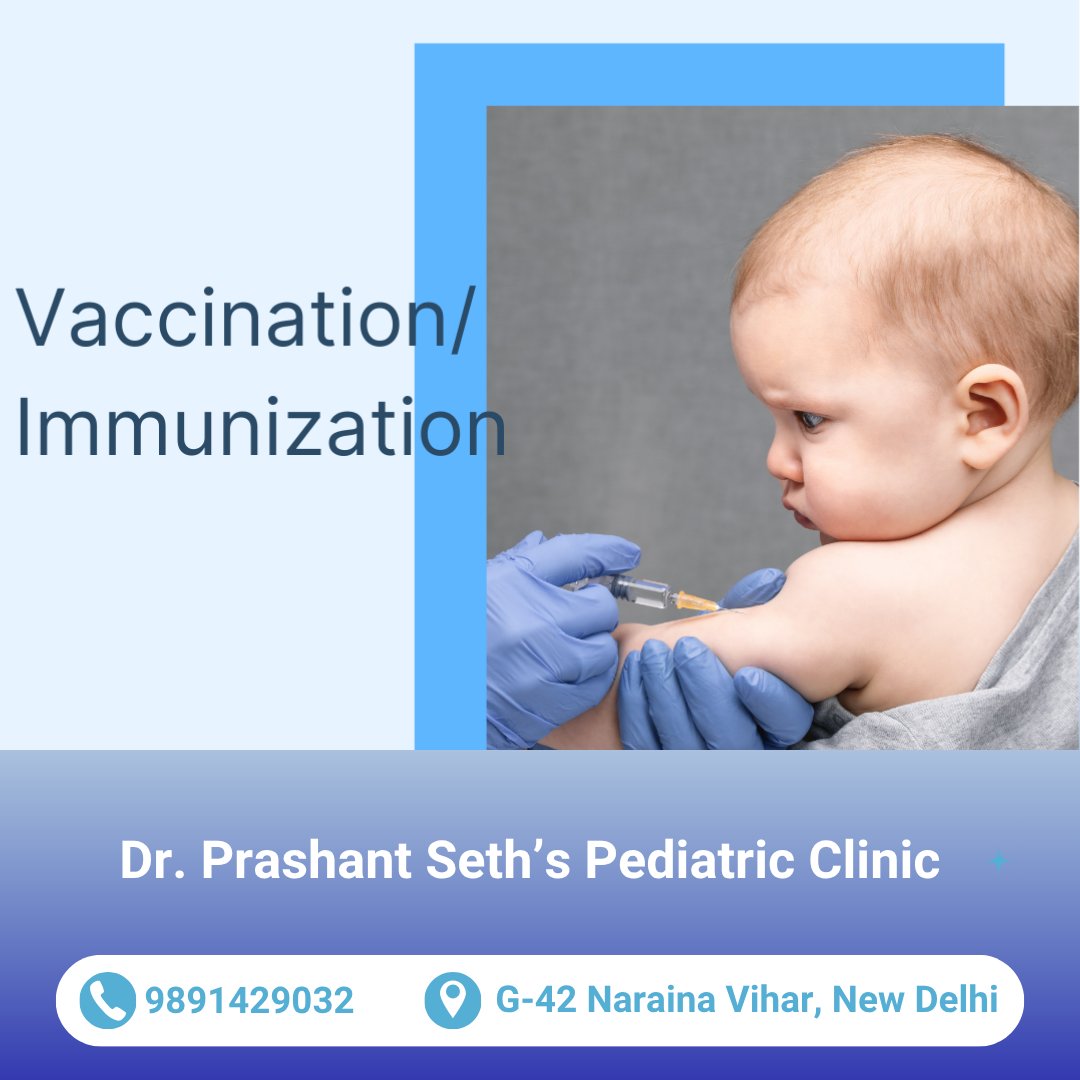
Vaccination is an important part of preventive healthcare during childhood. From the first months of life through later childhood, vaccines help the immune system learn how to respond to specific infectious diseases. Parents may sometimes have questions about when a vaccine is due, what happens when a dose is missed, or whether vaccination should be given when a child has a minor illness. A Child Specialist in Naraina can review a child’s vaccination history and guide parents according to the recommended immunization schedule and the child’s individual health needs.
Keeping an accurate vaccination record also makes it easier to know which doses have already been given and which ones are still due.
How Do Vaccines Work in Children?
The immune system protects the body against infections. Vaccines train the immune system to recognise specific disease-causing organisms or their components without the child having to experience the full disease itself.
After vaccination, the immune system develops a response that can help it recognise the infection in the future.
Different vaccines work in different ways, and some require more than one dose. Booster doses may also be recommended later to maintain or strengthen protection.
This is why following the recommended schedule is important rather than treating every vaccine as a one-time injection.
Why Does Childhood Vaccination Matter?
Before vaccines became widely available, several infectious diseases caused serious illness and complications in children. Vaccination has greatly reduced the burden of many vaccine-preventable diseases.
Depending on the vaccine, immunization can help protect children against diseases such as:
Polio
Measles
Mumps
Rubella
Diphtheria
Pertussis
Tetanus
Hepatitis B
Haemophilus influenzae type b
Pneumococcal disease
Rotavirus infection
The vaccines recommended for an individual child depend on age, previous vaccination history, health status, and applicable immunization guidance.
Why Is the Vaccination Schedule Important?
Vaccination schedules are planned around the ages at which children can develop an appropriate immune response and when protection is particularly important.
Some vaccines are given shortly after birth, while others are scheduled over the following months and years.
Certain vaccines require a series of doses because one dose may not provide the intended level or duration of protection. Booster doses are used for some vaccines to reinforce immunity later.
Parents visiting a Pediatric Clinic in Naraina can bring their child's vaccination record so previous doses and upcoming vaccinations can be reviewed accurately.
What Happens When a Vaccine Dose Is Missed?
A missed vaccination does not necessarily mean the entire series needs to be restarted.
In many situations, a catch-up schedule can be planned based on the child's age, vaccines already received, and the time since the previous dose.
Parents should avoid guessing which vaccine should be given next or repeating a dose without checking the vaccination record.
Bring the available immunisation documents to the consultation. A Child Specialist in Naraina can review the history and advise how the remaining doses should be scheduled.
The sooner a missed dose is discussed, the easier it is to create an appropriate catch-up plan.
What Should Parents Expect After Vaccination?
Children can experience mild reactions after some vaccinations. These reactions are usually temporary.
Common effects may include:
Pain or tenderness at the injection site
Mild swelling or redness
Temporary irritability
Tiredness
Reduced appetite
Mild fever
The type and frequency of reactions vary between vaccines and children.
Parents should ask the healthcare professional what reactions may occur after a particular vaccine and what care is appropriate at home.
Medicines should not be given automatically before or after every vaccination unless advised for that child.
When Should You Seek Medical Advice After Vaccination?
Most post-vaccination reactions are mild, but parents should know when medical attention may be necessary.
Contact a healthcare professional when a reaction seems unusual, severe, or is causing concern.
Seek urgent medical attention for symptoms such as difficulty breathing, facial or throat swelling, collapse, or another severe reaction.
Serious allergic reactions after vaccination are uncommon, but they require immediate treatment when they occur.
Parents can also discuss any previous vaccine reaction before the next dose is administered.
Can a Child Be Vaccinated During a Cold?
This is a common question among parents.
A mild illness does not always mean vaccination needs to be postponed. However, the decision depends on the child's symptoms, overall condition, and the vaccine being considered.
Children who have significant fever, moderate or severe illness, or another medical concern may need assessment before vaccination.
Instead of cancelling or proceeding based on assumptions, parents can contact their Pediatric Clinic in Naraina and explain the child's current symptoms.
The healthcare professional can then determine whether vaccination can proceed or should be delayed.
Keep the Vaccination Record Safe
A vaccination card is more than a reminder for the next appointment. It provides an important history of vaccines received.
Keep the record in a safe place and bring it to vaccination appointments.
A complete record may be useful when:
Changing doctors
Starting school
Travelling
Reviewing missed vaccinations
Planning catch-up doses
Checking previous vaccine dates
Parents can also maintain a secure digital copy as a backup while keeping the original record.
Avoid relying only on memory, especially when several doses have been given over many years.
Vaccination Is Only One Part of Preventive Pediatric Care
Child healthcare involves more than treating fever, cough, or infection after symptoms begin.
Regular pediatric care can also provide opportunities to discuss growth, nutrition, sleep, development, behaviour, physical activity, and age-appropriate preventive care.
Vaccination appointments can therefore be useful moments for parents to raise other concerns about their child's health.
For babies and young children in particular, monitoring growth and developmental progress alongside preventive healthcare can help identify concerns that may require further attention.
Talk About Your Concerns Before Vaccination
Parents may naturally have questions about vaccines, particularly when their child is receiving several vaccinations during the first years of life.
Useful questions to ask include:
Which vaccine is being given today?
What disease does it help prevent?
Are additional doses required?
When is the next vaccination due?
What mild reactions might occur?
What symptoms require medical attention?
What should be done if the next dose is missed?
Getting answers from a qualified healthcare professional is safer than relying on forwarded messages, social media posts, or information that does not consider the child's medical history.
Frequently Asked Questions
1. Why do children need several vaccine doses?
Some vaccines require multiple doses to build and maintain an appropriate immune response. The number and timing of doses depend on the vaccine.
2. What should I do if my child misses a vaccination?
Consult a pediatrician with the child's vaccination record. A catch-up schedule can often be planned without restarting the entire vaccine series.
3. Is fever after vaccination normal?
A mild fever can occur after certain vaccines. Ask your healthcare professional about expected reactions and when medical attention is necessary.
4. Can vaccines be given when a child has a minor cold?
Mild illness does not always prevent vaccination, but the child's condition should be assessed when there is uncertainty, significant fever, or other concerning symptoms.
5. Should I keep old vaccination records?
Yes. Keep your child's vaccination records even after the early childhood schedule is completed. They may be useful for future medical care, school requirements, travel, or checking booster doses.
Keep Your Child's Immunisation Record Up to Date
Vaccination works best when parents know what has already been given, what is due next, and what to do when a dose has been missed. Keeping the vaccination card updated and discussing questions during pediatric visits can make the process easier to follow.
Dr. Prashant Seth’s Pediatric Clinic provides pediatric consultations and guidance on childhood immunization. When your child's vaccination is due, or you need help reviewing missed doses, book an appointment and bring the vaccination record so the schedule can be checked accurately.