Child Growth and Development: What Parents Should Know
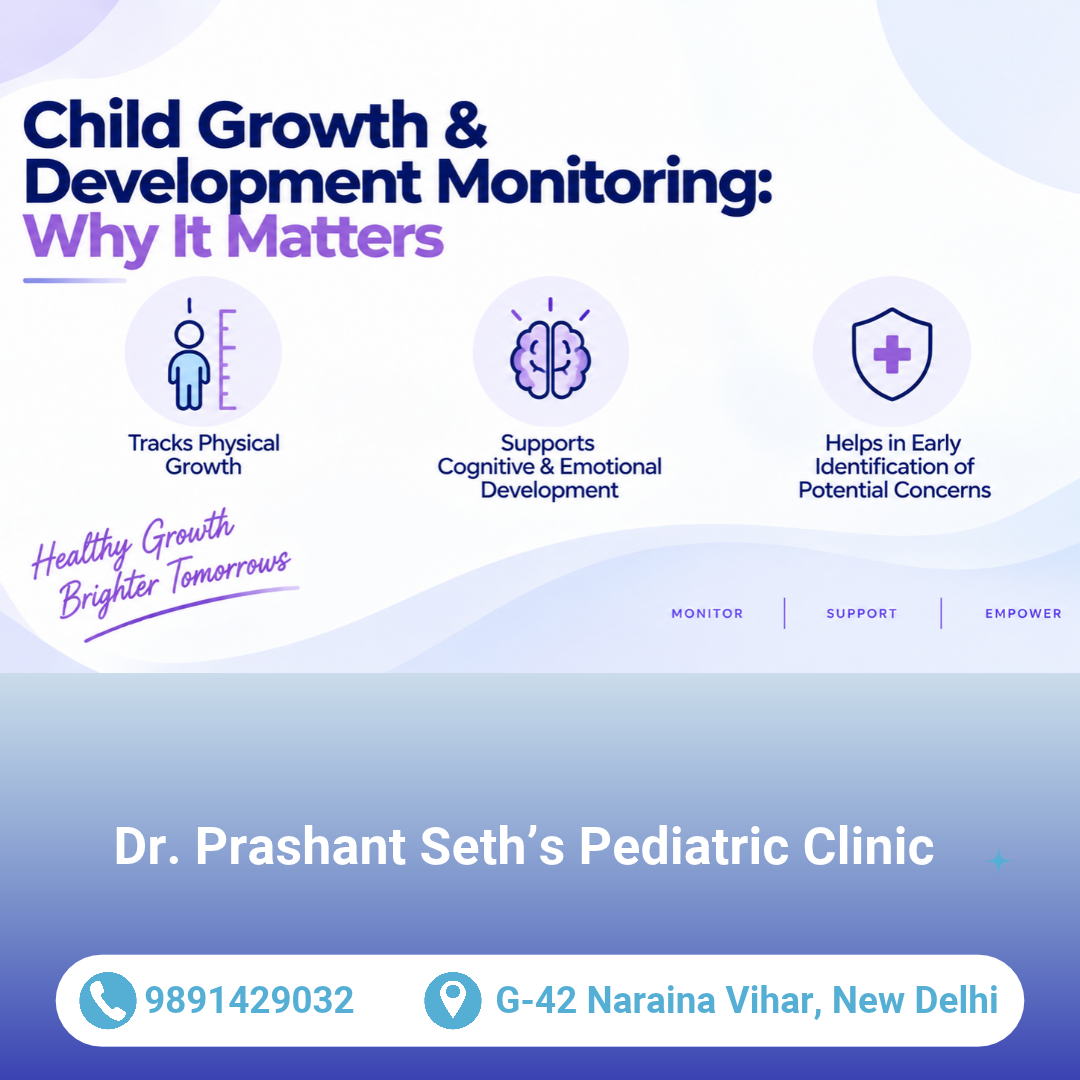
Children change rapidly during their early years. Height, weight, speech, movement, learning, behaviour, and social skills all develop at different stages. Regular pediatric care helps parents understand these changes and identify concerns that may need attention.
For families looking for a Child Specialist in Naraina, knowing what is included in routine child healthcare can make medical decisions easier. Pediatric care is not limited to treating illness; it also includes growth monitoring, developmental assessment, vaccination, nutrition guidance, and preventive healthcare.
Why Regular Child Check-Ups Matter
Children may not always be able to explain what they are feeling. Regular check-ups allow a pediatrician to assess overall health even when there are no obvious symptoms.
Key benefits of regular pediatric visits include:
Monitoring height and weight
Reviewing nutrition and eating habits
Tracking developmental milestones
Checking vaccination status
Discussing sleep and daily routines
Identifying recurring health concerns
Providing age-appropriate health and safety guidance
A single height or weight measurement does not provide the complete picture. Pediatricians generally look at growth patterns over time while considering age, family history, nutrition, and overall health.
Understanding Growth and Development
Growth mainly refers to physical changes such as height, weight, and head growth in younger children. Development refers to the gradual development of skills related to movement, communication, learning, behaviour, and social interaction.
Children do not all develop at exactly the same pace. Some differences are normal. However, parents should discuss concerns if a child appears to have a significant delay, loses a skill they previously had, or shows a noticeable change in behaviour or communication.
Developmental monitoring may include:
Gross motor skills such as walking, running, and jumping
Fine motor skills such as drawing and handling objects
Speech and language
Social interaction
Learning and attention
Emotional and behavioural development
Discussing a concern early does not mean that a child necessarily has a medical or developmental disorder. It simply allows the concern to be properly understood and assessed.
Nutrition and Healthy Childhood Growth
Good nutrition supports physical growth, brain development, energy levels, and overall health. Children's nutritional needs change as they grow, so feeding guidance for an infant is different from that for a school-age child.
Parents can encourage healthy eating by offering a varied, age-appropriate diet containing nutritious sources of protein, whole grains, fruits, vegetables, and other essential foods.
Persistent feeding difficulties, poor appetite, noticeable weight changes, frequent stomach complaints, or concerns about growth should be discussed with a pediatrician. Parents should also avoid giving supplements or medicines without appropriate professional advice.
Vaccination and Preventive Care
Vaccination is an important part of preventive pediatric healthcare. Vaccines help protect children against several serious infectious diseases. Parents should maintain an updated vaccination record and discuss missed or delayed doses with their pediatrician.
Preventive pediatric care can also include guidance related to:
Personal hygiene
Oral health
Sleep habits
Physical activity
Screen time
Injury prevention
Healthy eating
Age-appropriate safety
These everyday habits can contribute to a child's long-term physical and emotional well-being.
Common Reasons to Consult a Pediatrician
A pediatrician can help with both routine healthcare and specific concerns. Parents may seek medical advice for:
Fever or repeated infections
Cough, cold, or breathing concerns
Vomiting or diarrhoea
Feeding difficulties
Poor appetite
Skin rashes or allergies
Sleep problems
Growth concerns
Developmental concerns
Behaviour or learning difficulties
Vaccination-related questions
Many minor childhood illnesses improve with appropriate supportive care. However, parents should seek prompt medical attention if a child develops difficulty breathing, severe dehydration, seizures, unusual drowsiness, severe pain, persistent vomiting, or symptoms that are rapidly becoming worse.
When to Consult a Child Specialist in Naraina
Parents do not need to wait until a child becomes seriously ill before consulting a pediatrician. A Child Specialist in Naraina can provide guidance about routine health, growth, development, nutrition, infections, vaccinations, and other childhood concerns.
A consultation may be useful if a child is not gaining weight as expected, has repeated illnesses, experiences persistent feeding difficulties, shows a noticeable change in behaviour, or appears to be having difficulty reaching age-appropriate developmental milestones.
Parents should share relevant medical history, previous reports, vaccination records, allergies, and details of medicines or supplements the child is taking. This information can help the pediatrician understand the child's health more completely.
Preparing for a Pediatric Appointment
Parents can make a consultation more useful by noting the child's main symptoms and when they started. It is also helpful to observe whether the symptoms are improving, worsening, or occurring repeatedly.
Consider carrying:
Previous medical reports
Vaccination records
Current medicine or supplement details
Information about known allergies
Recent changes in appetite, sleep, weight, or behaviour
Parents can also write down their questions before the appointment so important concerns are not missed during the consultation.
Choosing a Kids Doctor in Naraina
When selecting a Kids Doctor in Naraina, parents can consider the pediatrician's qualifications, experience, communication style, clinic accessibility, and approach to preventive healthcare.
A comfortable consultation environment allows parents to discuss concerns related to nutrition, development, sleep, behaviour, school, recurring illnesses, and other aspects of a child's health.
Good pediatric care involves communication between the doctor and family. Parents should feel comfortable asking questions and understanding why a particular examination, treatment, investigation, or follow-up may be recommended.
Frequently Asked Questions
1. How often should children have health check-ups?
The recommended frequency depends on the child's age, health, developmental needs, vaccination schedule, and existing medical concerns. Younger children generally require more frequent monitoring because their growth and development change quickly.
2. What does a pediatrician check during a routine visit?
A routine visit may include assessment of growth, nutrition, development, vaccination status, physical health, sleep, behaviour, and concerns raised by parents. The assessment varies according to the child's age and individual needs.
3. When should parents be concerned about development?
Parents should discuss concerns if a child is not progressing as expected, has persistent difficulty with age-appropriate skills, or loses a skill that was previously developed. A pediatrician can assess the situation and determine whether further evaluation is needed.
4. Can a pediatrician help with everyday child health questions?
Yes. Pediatricians can guide parents about nutrition, sleep, hygiene, vaccination, common childhood illnesses, growth, development, safety, and other age-related health concerns.
Supporting Your Child Through Every Stage
Healthy childhood is built through many small steps: nutritious food, adequate sleep, preventive care, vaccination, physical activity, emotional support, and timely medical attention when something does not seem right.
Dr. Prashant Seth’s Pediatric Clinic provides pediatric care and guidance for children and parents in Naraina. Parents can discuss concerns related to growth, development, nutrition, common illnesses, vaccinations, and overall child health.
For professional guidance regarding your child's growth, development, or health concerns, consult Dr. Prashant Seth’s Pediatric Clinic for an appropriate pediatric assessment and personalised medical guidance.